

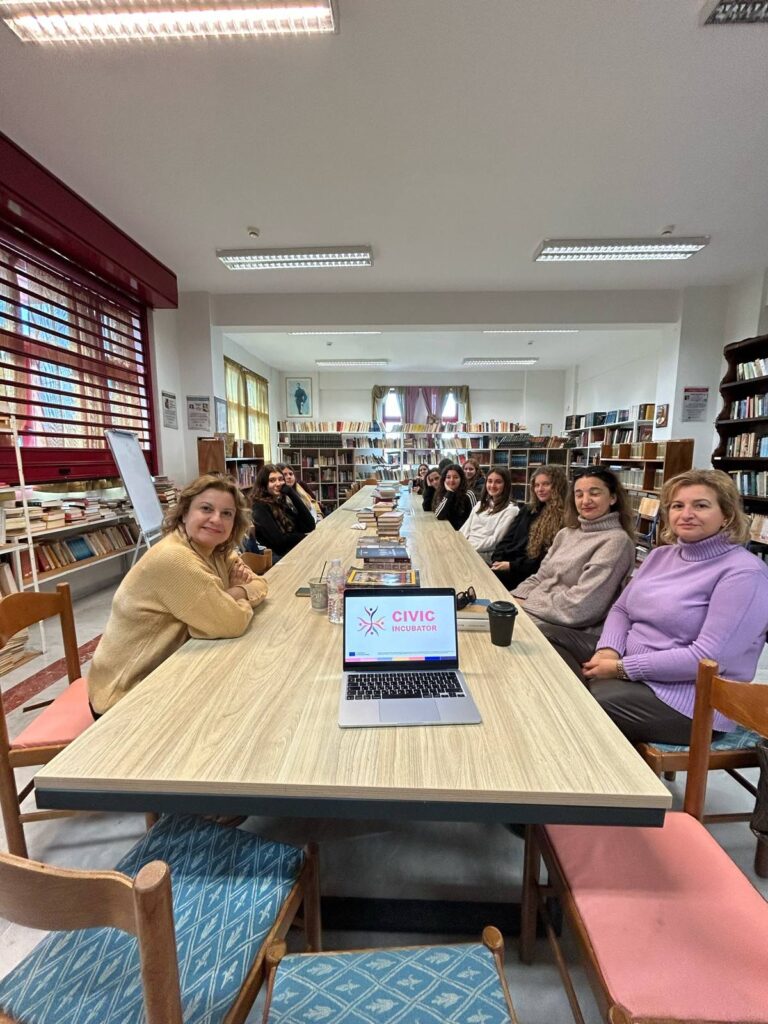
Between September and December 2025, IASIS implemented a civic incubation process supporting six informal groups in Greece, primarily based in the wider Messolonghi area.
The groups represented a rich mix of cultural, educational and intergenerational initiatives, including theatre, senior activism, school-based prevention groups, environmental education, student mental wellbeing, and local history preservation.
Diverse groups, shared challenges
Although their focus areas differed, the groups shared common challenges typical of informal initiatives in provincial and educational contexts:
- limited access to resources and funding
- strong time pressure, especially for students and teachers
- the need for sustainable structures that outlast individual participation
- a desire to connect local identity with broader social issues
The incubation process respected each group’s rhythm and identity, adapting support to artistic, educational and community-driven realities.
From diagnosis to action
Initial diagnosis and mentoring helped groups clarify their priorities:
- Theatre as social critique, not just entertainment
- Reducing loneliness and promoting active citizenship among seniors
- Preventive approaches to school bullying and stress
- Connecting education with real-life professional and environmental contexts
- Preserving collective memory through intergenerational research
Workshops and consultations focused on strengthening organisation, teamwork, planning and confidence—always with a strong emphasis on participation and autonomy.
Civic initiatives with local impact
During the incubation period, the groups implemented a wide range of initiatives, including:
- socially and politically engaged theatrical performances and cultural excursions
- intergenerational university events and community awareness actions
- the establishment of permanent school clubs on anti-bullying and mental resilience
- student participation in academic conferences linked to the local economy
- stress-management toolkits for high school students
- historical mapping and storytelling projects preserving refugee heritage
Together, these initiatives reached over 130 participants and generated strong engagement across age groups.
What changed for the groups
Across all six groups, the incubation process led to:
- stronger group identity and confidence
- clearer organisational structures and continuity plans
- improved collaboration and peer support
- increased recognition of culture, education and lived experience as civic tools
Participants consistently highlighted that the process validated their work—not as “extra activities,” but as meaningful contributions to community life.
Looking ahead
All groups expressed clear intentions to continue their activities beyond the programme—whether through permanent school clubs, ongoing cultural work, self-funded heritage projects, or sustained community support networks.
This cycle demonstrated that informal groups can address social needs that formal systems often overlook, especially in areas such as mental health, cultural memory, intergenerational dialogue and grassroots activism.
By investing in trust, creativity and local knowledge, the incubation process helped transform informal initiatives into lasting community action.