

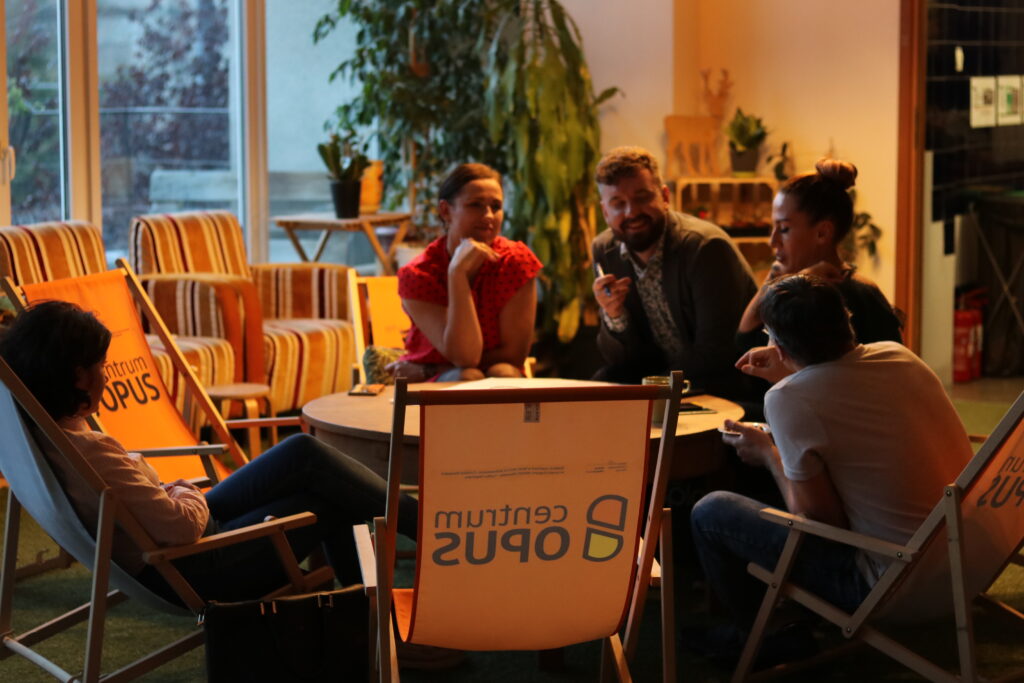
Between October and December 2025, CISE (Poland) implemented an incubation process to support informal civic groups and help them grow into stronger, more sustainable community actors.
The programme brought together six informal groups from different local contexts, all united by a common intention: to build connection, wellbeing, and community life through grassroots action.
Diverse groups, shared development needs
Although each group had its own mission and style, the diagnosis phase highlighted several shared challenges that informal initiatives often face:
- strengthening internal communication and coordination
- creating clearer roles and shared ways of working
- improving visibility and outreach
- finding sustainable access to space and resources
- building long-term direction (mission, vision, priorities)
The process also emphasised the importance of working with values and civic awareness, supporting groups to connect their local actions with broader principles of inclusion, participation, and rights.
What the incubation process looked like
Groups were supported through a mix of mentoring, workshops, and consultations designed to meet them where they were—whether they were already active or just beginning to form.
Key learning areas included:
- teamwork and trust-building
- communication and decision-making
- action planning and responsibility-sharing
- community engagement and partnership-building
- strengthening leadership and group dynamics
The overall approach was practical and flexible, reflecting the realities of volunteer-led groups and the need for support that fits into everyday life.
Community initiatives brought to life
During the incubation period, each group implemented a local activity that reflected its identity and purpose. These initiatives included:
- women’s integration and wellbeing gatherings
- inter-club community events that strengthened cooperation
- an intergenerational village event connecting long-term residents and newcomers
- creative, emotionally supportive activities for young people
- educational nature-focused meetings for local residents
- an open wellbeing event introducing a manual-therapy approach to a broader audience
Together, these initiatives created real moments of connection and demonstrated the groups’ ability to organise meaningful action in their communities.
What changed for the groups
Across the programme, groups reported stronger cohesion, clearer direction, and increased confidence to act. Many left with:
- improved teamwork and more effective internal communication
- a clearer sense of identity and next steps
- motivation to continue organising activities beyond the programme
- stronger openness to partnerships and wider community engagement
In several cases, the process also helped groups navigate internal challenges, strengthen responsibility-sharing, and approach the future with more strategic thinking.
Looking ahead
This incubation cycle showed that informal groups—when supported with the right mentoring and learning opportunities—can grow quickly in confidence, structure, and local impact without losing their grassroots character.
By investing in people, relationships, and practical skills, CISE’s programme helped transform community ideas into action—strengthening local civic life one group at a time.